


Why Do Orthodontists Use Rubber Bands With Braces?
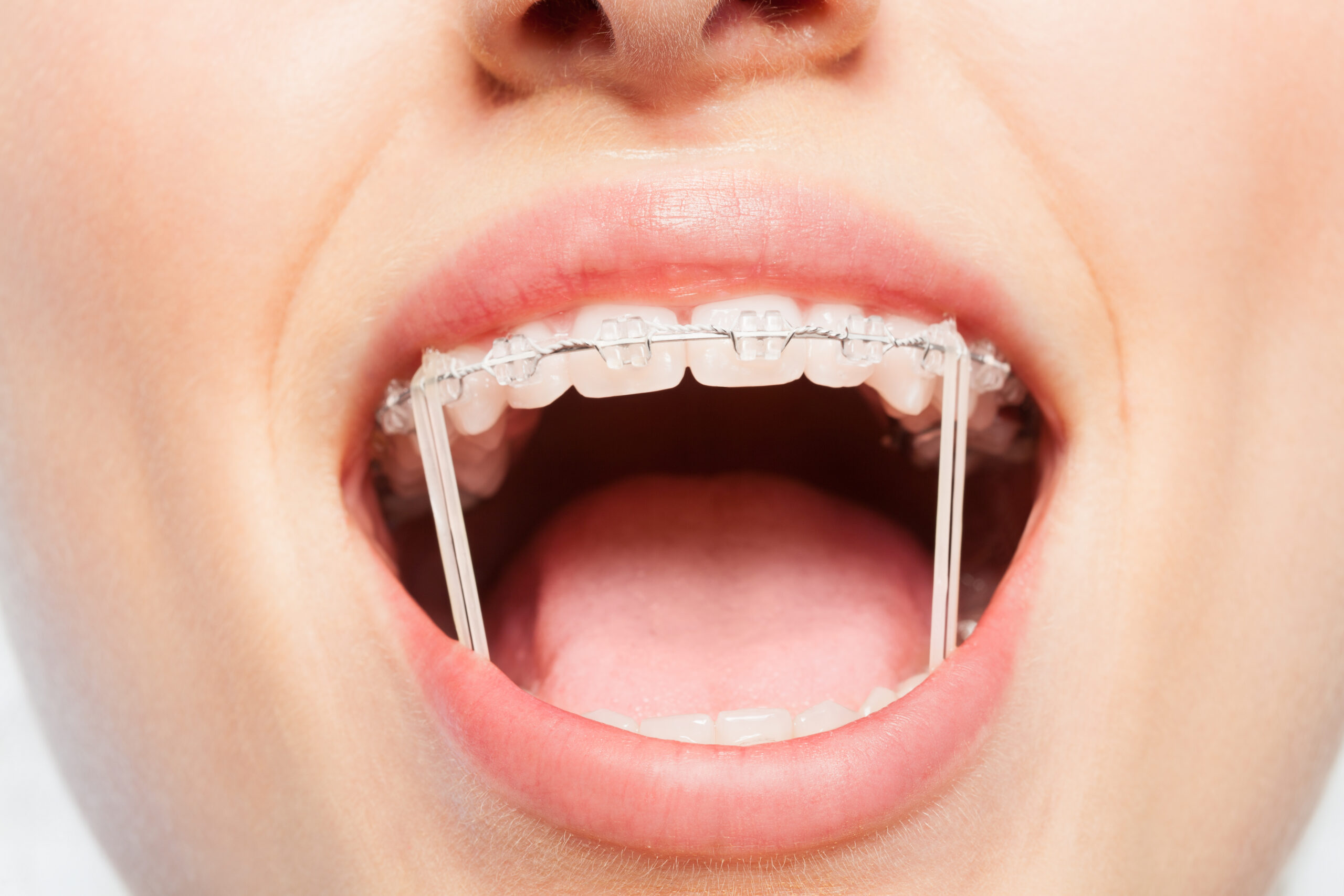
If your orthodontist has recommended rubber bands as part of your braces treatment, you may be wondering what those small elastics actually do. After all, braces already have brackets, wires, and other components working to move your teeth. Why add another piece to the process?
Orthodontic rubber bands, also called elastics, are used to apply additional force between the upper and lower teeth. They are especially helpful when the teeth need more than simple straightening and the bite also needs to be corrected. Depending on your treatment plan, wearing elastics consistently can play an important role in getting your teeth and bite into the right position.
What Do Rubber Bands Do With Braces?
Traditional braces primarily work by applying controlled pressure to individual teeth through brackets and archwires. This allows the orthodontist to gradually guide teeth into better alignment.
Rubber bands serve a different purpose. They connect specific teeth or brackets on the upper and lower arches to create a force that helps improve the way those teeth come together. This is particularly useful for correcting certain bite problems, including overbites, underbites, and other types of misalignment.
The exact placement of the elastics matters. Your orthodontist will determine where they should attach based on the movements your teeth and jaws need. Even a small change in where an elastic is positioned can change the direction of the force, so it is important to follow your instructions rather than choosing a configuration yourself.
Why Would I Need Elastics?
Not everyone who gets braces needs rubber bands. They are typically recommended when additional correction is needed beyond simply straightening the teeth.
For example, someone with an overbite may need elastics that encourage the upper and lower teeth to move into a healthier relationship. In other cases, elastics can help address an underbite or improve the way the back teeth fit together.
Your orthodontist may also prescribe elastics at a particular point during treatment rather than from the beginning. As your teeth move, your treatment needs can change, and elastics may become useful for making more precise adjustments.
This is one reason orthodontic treatment is customized for each patient. Two people can have braces that look similar but require completely different mechanics to achieve the desired result.
How Long Do You Have to Wear Braces Rubber Bands?
The amount of time you need to wear orthodontic elastics depends on your individual treatment plan. Some patients may be instructed to wear them nearly all day and night, removing them only for eating and brushing. Others may have a different schedule.
Following your prescribed wear time is extremely important. Rubber bands lose their elasticity over time, which means they do not provide the same force indefinitely. Your orthodontist will tell you how frequently to replace them.
If you occasionally forget to put your elastics back in or skip them for a day, it may be tempting to double up the next time. Don’t. Wearing extra elastics does not necessarily make treatment move faster and can apply forces that aren’t appropriate for your teeth. Instead, follow your orthodontist’s instructions and ask what to do if you miss wear time.
Are Rubber Bands Uncomfortable?
It is normal for your teeth or jaw to feel some pressure when you first begin wearing elastics. You may notice mild soreness as your mouth adjusts to the additional force.
This feeling generally becomes easier to manage as you get used to wearing the rubber bands. Consistency can also make the adjustment period smoother because your teeth are responding to the intended forces rather than repeatedly starting and stopping.
If your elastics cause significant pain, damage your gums, or seem to be creating an unusual problem, contact your orthodontic office. Don’t simply stop wearing them without discussing the issue with your orthodontist.
What Happens If You Don’t Wear Your Elastics?
This is one of the most common concerns for patients undergoing orthodontic treatment. If your orthodontist tells you to wear elastics and you frequently skip them, your teeth and bite may not progress as planned.
Inconsistent wear can make treatment take longer because the necessary forces aren’t being applied for enough time. It can also make it more difficult for your orthodontist to predict how your teeth will respond between appointments.
Think of elastics as one part of a larger treatment plan. Braces can only do their job effectively when the prescribed components are working together.
How Can You Make Wearing Elastics Easier?
The first few days are often the hardest because wearing rubber bands is a new habit. Keeping extra elastics with you can help prevent interruptions if one breaks or you accidentally leave your supply at home.
Some patients find it helpful to connect changing their elastics with routines they already follow, such as brushing their teeth in the morning and before bed. If you’re supposed to replace them more frequently, follow the schedule provided by your orthodontic team.
You should also make sure you understand exactly where your elastics belong. If you’re unsure about the placement, ask at your next appointment rather than guessing.
Your Bite Matters as Much as Straight Teeth
A straight smile is an important part of orthodontic treatment, but the way your upper and lower teeth fit together matters, too. A properly aligned bite can make chewing more comfortable and help your teeth function together more effectively.
Rubber bands can be an important tool for achieving that balance. They may seem simple, but the forces they create can help your orthodontist make specific bite corrections that braces alone may not accomplish.
Start Your Smile Journey With Onshore Orthodontics
If you have questions about braces, orthodontic elastics, or how your treatment plan is designed, talking with your orthodontic team is the best place to start. At Onshore Orthodontics, Dr. Hayley Woolfson and Dr. David Dubiner provide personalized orthodontic care for children, teens, and adults in Yulee and surrounding communities.
Whether you are considering braces for yourself or your child, a consultation with a Yulee orthodontist can help you understand your treatment options and what to expect throughout the process. With the right plan and consistent care, each part of your orthodontic treatment can work together to create a healthier, more confident smile.